Monkkonen Lab Research
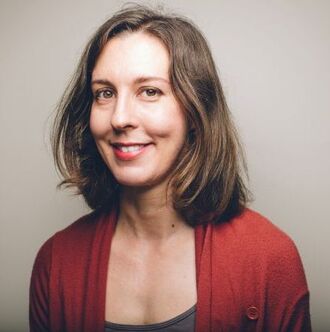
My overarching research interest is to understand the molecular biology of breast cancer and the tumor microenvironment. We are interested in intracellular crosstalk in tumor progression, focusing on the most aggressive types of breast cancers (i.e. triple negative and metastatic breast cancers), patient populations lacking targeted therapies, and the synergy of risk factors for disease with basic biology. The lab also has projects in mammary gland developmental biology, focusing on projects that impact breast cancer risk and initiation.
We are also building collaborations and projects understanding the molecular biology of breast cancer disparities associated with etiology (i.e. disease incidence) and progression/ patient outcomes. I am also passionate about mentoring the next generation of biologists, and championing diversity in biomedical research. Please get in touch if you are interested in collaborating!
About me:
I am an assistant professor at San Diego State University in the Department of Biology in the Cellular and Molecular Biology group. I am also part of the SDSU FUERTE/ NIH FIRST program, and a member of Moore's Cancer Center at the University of California, San Diego. For further details, see CV link in "People" tab.
Current openings:
Master's and PhD students: If you are interested in pursuing an M.S. or PhD in my lab, it is most useful to discuss after you have gained admission to a program prior to starting (i.e. late spring for interest for the fall). If you reach out, please include your CV/ resume and please tell me why you are interested in my group and how experience in my lab fits with your career goals. I can provide you more information whether I am thinking about taking students. For more specific questions re: the M.S./ PhD application process, please consult the Cell and Molecular Biology program websites and/or the program directors (Dr. Ricardo Zayas and Dr. Carrie House, respectively).
Undergraduates: We are not currently accepting undergraduates. Please contact Dr. Monkkonen to see if there is space prior to spring 2025 if you're interested.
We are also building collaborations and projects understanding the molecular biology of breast cancer disparities associated with etiology (i.e. disease incidence) and progression/ patient outcomes. I am also passionate about mentoring the next generation of biologists, and championing diversity in biomedical research. Please get in touch if you are interested in collaborating!
About me:
I am an assistant professor at San Diego State University in the Department of Biology in the Cellular and Molecular Biology group. I am also part of the SDSU FUERTE/ NIH FIRST program, and a member of Moore's Cancer Center at the University of California, San Diego. For further details, see CV link in "People" tab.
Current openings:
Master's and PhD students: If you are interested in pursuing an M.S. or PhD in my lab, it is most useful to discuss after you have gained admission to a program prior to starting (i.e. late spring for interest for the fall). If you reach out, please include your CV/ resume and please tell me why you are interested in my group and how experience in my lab fits with your career goals. I can provide you more information whether I am thinking about taking students. For more specific questions re: the M.S./ PhD application process, please consult the Cell and Molecular Biology program websites and/or the program directors (Dr. Ricardo Zayas and Dr. Carrie House, respectively).
Undergraduates: We are not currently accepting undergraduates. Please contact Dr. Monkkonen to see if there is space prior to spring 2025 if you're interested.
